




Providing Expert Lawn Care to Aurora, Parker, Castle Rock, Castle Pines, Highlands Ranch, Lone Tree & Surrounding Areas.
QDS Logo

93%

Customer Satisfaction

from 3411 reviews


   69%
   17.7%
   6.7%
   3.7%
   2.9%

Dec 12, 2022

You all are the best

- Susan

Nov 11, 2022

They are doing a good job getting everything under control.

- Janet

Nov 8, 2022

Great service with great staff.

- Ken

Nov 14, 2022

All good

- Janet

Nov 8, 2022

BestYard have done our fall leaf clean up for a few years now and we really appreciate this service!! We have a dozen trees in our small backyard so over the years we have more and more leaves as we get older. BestYard are good at communication and getting the job done!

- Margeret

Nov 2, 2022

It was quick and our lawn looks great!

- Paul

Nov 8, 2022

Wonderful job, team. The fall yard cleanup was perfect and the house looks great again!

- Trent

Oct 27, 2022

Excellent service!

- Tonyetta

Oct 26, 2022

Thanks Weed Man for aerating our lawn! The guys were fast, friendly, respectful of directions and most of all, did a great job of taking care of readying our lawn for winter and into the spring. Thanks so much for texting the day before to remind us of appointment!

- Ryan and Roxanne

Oct 25, 2022

Excellent customer service!!

- Lisa

Customer Rating
Beautiful-Lawn
Family-on-the-lawn
Mulch-1
previous arrowprevious arrow
next arrownext arrow

Posts Tagged: Best Aurora Garden Service

Here’s Why You Should Consider Planting This Autumn

As summer ends and the cool breeze of autumn starts to set in, it’s natural to start thinking about seasonal changes in your yard and garden. While many homeowners believe that the growing season ends with summer, fall is an excellent time to plant and prepare for future blooms. If you’re wondering whether fall is a good planting season, the answer is a resounding yes!

Here’s why fall planting is ideal, what you can plant, and how to make the most of this transitional season.

  • Why Fall is an Ideal Time for Planting
    One of the biggest misconceptions is that fall is too late to plant. However, fall weather provides plants several advantages, particularly their roots. As the temperatures drop and the days shorten, plants enter a period of slower growth, allowing them to focus on establishing strong root systems rather than rapid leaf and flower production. This sets the stage for healthier, more resilient plants come spring. Additionally, fall tends to bring more consistent moisture, which helps newly planted flowers and shrubs establish without the stress of summer heat. The cooler temperatures reduce the risk of transplant shock, making fall planting much less stressful in your garden.
  • What You Can Plant in the Fall
    Even though many summer plants may look tired or leggy after months of hot, dry weather, fall offers a fresh opportunity to bring vibrant color back to your garden and porch pots. It’s a great time to replace worn-out annuals and introduce plants that thrive in cooler temperatures.Annuals for Fall Planting Pansies and violas are top choices for those looking to add a pop of color to their outdoor spaces. These hardy annuals love cool weather and can withstand light frosts, meaning they’ll continue to bloom well into late fall and often throughout winter in milder climates. Pansies and violas will likely bloom again in early spring, giving extra value for your effort. Other annuals, such as Snapdragons, Ornamental Cabbage, and Kale, thrive in fall. These plants add color, texture, and interest to your garden or porch pots.
  • Fall Mums and Other Seasonal Favorites
    Fall mums are a classic autumn choice, known for their brilliant colors and large blooms. However, be mindful of frosty nights, as mums and plants like Chili Peppers and Rudbeckias need protection from early frosts. You can extend their bloom period by bringing them indoors when frost threatens and placing them back outside once the temperatures rise during the day.
  • Perennials and Grasses for Fall Color
    Fall is also an excellent time to plant Perennials, as they will have plenty of time to develop strong roots before the first frost. Some great perennial options for fall planting include Asters, Heuchera (Coral Bells), Sedums, and Grasses. These plants offer gorgeous fall colors and textures, from Heuchera’s deep reds and purples to the rich bronze tones of ornamental grasses. Perennials planted in fall will be well-established by spring, giving you a head start on a beautiful garden next year.
  • How to Care for Fall Plantings
    While planting in the fall has many benefits, it’s important to follow a few simple steps to ensure your plants thrive. First, prepare your soil carefully. If you’re planting Pansies or Violas, avoid using compost, as it can release ammonia during the decomposition process, which these flowers are sensitive to. Instead, amend the soil with peat moss to improve moisture retention and drainage. Once your plants are in the ground or containers, water them well. The cooler weather means they won’t need as much water as they would during the summer heat, but it’s essential to check the soil moisture regularly for the first two weeks after planting. Water them when the surface appears dry or if you notice wilting. After this initial period, your plants should be well-rooted and require less frequent watering, though container plants may still need daily attention depending on their location and the weather.
  • Creative Fall Decorations to Elevate Your Porch or Patio
    Fall isn’t just about planting—it’s also about decorating your outdoor spaces with the season’s rich, warm colors and textures. Natural elements such as wicker or bushel baskets, gourds, corn stalks, burlap, and hay bales are all trendy choices for fall decorations. Incorporating these materials into your porch or patio design is not only stylish but also eco-friendly, as many of them can be composted or reused. Consider mixing in your fall annuals and perennials with these natural decorations. For example, placing pots of colorful Pansies or Ornamental Cabbage between hay bales or inside wicker baskets can create a charming and cohesive autumn display. You can keep your porch looking vibrant and welcoming throughout the entire season with a bit of creativity.
  • When Should You Start Planting in the Fall?
    Timing is everything when it comes to fall planting. Ideally, you should start planting in late summer to early fall, as this allows plants to establish roots before the ground freezes. However, if you’re still planting later in the season, don’t worry—there’s still time to enjoy colorful blooms well into November and even December in many regions. If you live in an area where frosts arrive early, it’s a good idea to monitor the weather and be ready to cover sensitive plants when temperatures drop suddenly. Frost cloths or old blankets can protect plants from light frost, allowing you to extend the growing season.
  • Final Thoughts: Make the Most of Fall Gardening
    Fall is a fantastic time to refresh your garden, plant cool-weather flowers, and get creative with seasonal decorations. Taking advantage of the cooler weather, consistent moisture, and shorter days can help your plants focus on root development, which is critical for their long-term health. Whether you’re planting colorful annuals, hardy perennials, or decorative grasses, fall offers an opportunity to bring fresh life and vibrant colors to your garden. With proper care, your fall plantings will thrive and reward you with beauty well into winter and again in the spring. So, don’t wait for the first frost—get out there and start planting! Your garden will thank you next year when it’s full of vigorous, healthy plants.

Click “DO IT FOR ME” to request a FREE quote.Source: customer-service@bestyard.com in collaboration with Associated Landscape Contractors of Colorado

 

Time for a Color Change: Creating a Stunning Fall Container Garden

As the seasons change, your garden can too. Incorporating fall-themed container gardens is a straightforward way to keep your landscape fresh and vibrant. These compact, customizable gardens allow you to inject bold autumnal colors into your yard, patio, or balcony with minimal effort. Whether you prefer ceramic planters, window boxes, or hanging pots, a fall container garden is a great way to refresh your space for the cooler months.

Here’s how to create your fall container garden and make your outdoor space stand out this season.

  • Preparing Your Container for Fall Planting
    Before you start planting your fall flowers, it’s essential to prepare your containers. Whether reusing an old planter or introducing a new one, these steps will ensure your plants have the best possible growing environment.
  • Clean out used containers: Remove any remaining debris and dead plant material if you’re repurposing containers from summer. Cleaning the container thoroughly helps prevent pests or diseases from affecting your new plants.
  • Ensure proper drainage: Drainage is a key to successful container gardening. Whether using ceramic pots, window boxes, or hanging planters, ensure they have adequate drainage holes. Excess water can accumulate without proper drainage, causing root rot and plant failure.
  • Prepare the soil: Use a high-quality potting mix, and consider adding compost to improve moisture retention. Fall plants often need less watering than summer varieties, but having a suitable soil composition will help them thrive in the changing temperatures.
  • Add fertilizer: Time-release fertilizers are an excellent choice for container gardens, as they slowly feed your plants over an extended period. A balanced fertilizer will give your plants the nutrients they need to grow strong and produce vibrant flowers throughout fall.
  • Planting Ideas for Fall Color
    Fall is a season of rich, warm colors, and many plant varieties thrive in cooler temperatures. Here are some top recommendations to bring autumn vibrancy to your container garden:
  • Ornamental Cabbage and Kale: These hardy plants are a staple for fall gardens. They withstand cooler temperatures and offer stunning, textured foliage in shades of purple, white, and green. Ornamental cabbages and kales are perfect for adding structure and interest to your container garden, and they pair beautifully with blooming flowers for a striking contrast.

Pansies: Pansies are perfect for those looking to add a burst of color. 

Available in a wide array of colors, from deep purples to bright yellows, pansies allow you to create a color scheme that suits your style. If you’re a football fan, consider planting orange and blue pansies to show your support for your favorite team, or choose your local high school or college colors for a personalized touch. Pansies can complement your Halloween decor with orange and black varieties available.

Chrysanthemums (Mums): Perhaps the quintessential fall flower, chrysanthemums are known for their vibrant colors and entire, bushy appearance. 

Grouping several containers of mums in complementary or contrasting colors will create a stunning visual impact in your garden. You can place your mums in large baskets or elevate them on a bench for added height and interest. Galvanized buckets or oval bins are also fantastic for displaying many mums, creating a cohesive and eye-catching display.

Designing Your Fall Container Garden
Creating a fall container garden offers endless possibilities for creativity. Here are a few tips for designing a garden that reflects your style and enhances your outdoor space:

  • Choose a color theme: Select a color palette that complements your home or outdoor area. Traditional autumn colors like deep reds, oranges, and yellows can create a warm, inviting atmosphere. However, for a more modern look, don’t be afraid to experiment with nontraditional shades like purple, blue, or even white.
  • Mix textures and heights: To add visual interest, combine different plants. For example, pair tall, spiky grasses with low-growing flowers like pansies. The contrasting heights and textures will create a dynamic, layered look that draws the eye.
  • Play with containers: Use a variety of container styles to keep things interesting. A classic ceramic planter offers a timeless look, while galvanized metal buckets or hanging pots provide a more rustic, casual feel. Mixing and matching different container types can add depth and personality to your garden.
  • Add seasonal accents: Incorporate non-plant elements into your fall container garden for a festive touch. Add small pumpkins, gourds, or decorative scarecrows to bring out the fall theme. String lights or lanterns can also enhance the ambiance during those crisp autumn evenings.
  • Too Busy for DIY? No Problem!
    If your schedule doesn’t allow time for creating your container garden, you can still enjoy the beauty of fall color without the effort. There are a couple of easy alternatives to consider:
  • Hire a professional landscaper: Many landscape professionals offer container garden services. A pro can design and install a custom container garden that suits your space and aesthetic, allowing you to enjoy a stunning display without lifting a finger.
  • Purchase pre-made containers: Most garden centers and nurseries offer pre-planted container gardens ready to go. Pick one (or several) that match your style, and bring them home for an instant pop of color. You can arrange them on your porch, patio, or driveway for a festive, welcoming touch.

Conclusion
Fall is the perfect time to refresh your outdoor space with seasonal colors. A well-planned container garden adds visual interest and allows you to celebrate autumn’s unique beauty. Whether you create your own containers or purchase pre-made ones, your yard will be bursting with vibrant fall colors in no time. With some preparation and creativity, your container garden can be the star of your landscape throughout the season. So why wait? Start planning your fall container garden today, and enjoy autumn’s rich hues and textures. Implementing these tips and tricks will make your fall container garden a source of pride and joy, adding charm and color to your outdoor space. Whether you do it yourself or opt for pre-made containers, your garden will be ready to welcome the fall season with open arms.


Click “DO IT FOR ME” to request a FREE quote.Source: customer-service@bestyard.com in collaboration with Associated Landscape Contractors of Colorado

Enhance Your Landscape: The Perfect Time to Add More Plants


As the intense heat of summer begins to wane, it’s the ideal time to consider enhancing your landscape with new plants. The cooling weather offers a unique opportunity to plant and nurture new additions, allowing them to establish themselves before the chill of winter sets in. With your irrigation systems still running for a couple more months, now is the perfect time to ensure your new plants have the best chance of thriving in the coming seasons.

Why Planting in Late Summer and Early Fall is Beneficial

Planting during this period gives your new plants a significant advantage as they head into the next growing season. They have time to develop a robust root system by getting them into the ground. When spring arrives, these plants will be well-established and ready to flourish, giving your landscape a vibrant head start.

Selecting the Right Plants for Colorado’s Unique Climate

Choosing the right plants is crucial, especially in Colorado’s unique and sometimes challenging climate. Our elevation and the potential for harsh weather conditions require careful selection of plants that can withstand these challenges. Additionally, with the ongoing concerns about drought, it’s essential to focus on plants with low water requirements. But don’t limit your choices to just flowering perennials—consider integrating trees and shrubs into your landscape for a more diverse and resilient garden.

Expert Advice: Flexibility and Adaptability Are Key

When selecting plants, it’s wise to consult with local nurseries, garden centers, or landscape professionals. They can offer valuable insights into which plants will thrive in your specific environment despite the challenges posed by Colorado’s climate. However, it’s essential to remain flexible. The increased interest in gardening and landscaping has led to higher demand, and some plant varieties may need more supply. Having a few options in mind will ensure that you can still enhance your landscape, even if your first choice isn’t available.

Essential Checklist for Successful Planting

Whether you’re planting now or at any time of year, following a few fundamental guidelines can make a significant difference in the success of your plants. Here’s a checklist to help you get started:

  1. Evaluate Micro-Environments in Your Yard: Before planting, assess the different micro-environments within your landscape. Consider factors such as sun exposure, shade, soil drainage, and shelter from buildings. Matching the right plant to the right spot in your yard will give it the best chance to thrive.
  2. Plan for Plant Growth: Understand the mature size of the plants you’re adding. Please avoid placing them too close together to ensure enough space to grow without becoming overcrowded. Proper spacing also helps maintain good air circulation, reducing disease risk.
  3. Group Plants with Similar Water Needs: Group plants with similar water requirements together to maximize water efficiency. This allows you to water them more effectively, ensuring that each plant receives the right amount without over-watering or under-watering others.
  4. Ensure Regular Watering for New Plants: Even drought-tolerant plants need regular watering during their establishment phase. It’s crucial to provide consistent moisture until the plants have developed a robust root system. Once established, you can gradually reduce the amount of water.
  5. Use Mulch to Retain Moisture: Applying mulch around newly planted trees, shrubs, and perennials can help retain soil moisture, regulate soil temperature, and suppress weeds. Mulch acts as a protective layer, giving your new plants the best start possible.
  6. Monitor and Water During Winter: After winterizing your sprinkler system, remember your plants. Regularly check them throughout the winter, especially during periods of little or no precipitation. Water as needed to prevent them from drying out, ensuring they survive the winter and are ready to thrive in spring.

Conclusion: Invest in Your Landscape Now for a Flourishing Future

By taking the time to plant now, you’re investing in your landscape’s future beauty and health. Your steps today will pay off when spring arrives, and your garden bursts into life. With careful planning and the right choices, you can create a landscape that survives and thrives in Colorado’s unique climate. So, embrace the cooler weather and get planting—your garden will thank you next season!

Click “DO IT FOR ME” to request a FREE quote.Source: customer-service@bestyard.com in collaboration with Associated Landscape Contractors of Colorado

Maximizing Water Efficiency: The Benefits of Drip Irrigation

Water is one of our most precious resources; using it wisely is crucial for the environment and our wallets. One of the most efficient ways to water your plants is through drip irrigation, a method that delivers water directly to the roots of your plants, minimizing waste and ensuring that every drop counts. Unlike traditional irrigation systems that often result in water runoff and evaporation, drip irrigation offers a more targeted and sustainable approach to keeping your garden green and healthy.

  • Understanding Drip Irrigation
    Drip irrigation is a low-pressure, low-volume watering system that applies water slowly and directly to the base of plants or their root zones. This method is particularly effective for small landscape areas, container gardens, or individual plants that need precise watering rather than large turf areas. The key to its efficiency lies in its slow delivery, which allows water to penetrate the soil deeply, reducing waste and promoting healthier plant growth.
  • Why Drip Irrigation Works
    Traditional watering methods, such as sprinklers, can lead to significant water loss due to runoff, evaporation, and wind. In contrast, drip irrigation targets the areas that need water, ensuring that plants receive the moisture they need without wasting resources. This precise watering technique also helps to prevent common issues such as overwatering and underwatering, which can stress plants and reduce their overall health. One of the primary reasons drip irrigation is so effective is because it delivers water slowly. This slow application allows the water to seep into the soil gradually, providing a steady supply of moisture to plant roots. As a result, plants can absorb water more efficiently, reducing the need for frequent watering and conserving water.
  • Benefits of Drip Irrigation
    Drip irrigation offers numerous benefits, making it an excellent choice for homeowners and gardeners looking to maximize water efficiency.

Here are some of the top advantages of using a drip irrigation system:

  • Water Conservation: Drip irrigation systems use significantly less water than traditional sprinklers, making them an environmentally friendly option. Drip irrigation minimizes waste by delivering water directly to plants’ roots, ensuring that they receive the exact amount of water they need.
  • Improved Plant Health: Because drip irrigation systems provide a consistent and controlled water supply, plants are less likely to experience stress from overwatering or underwatering. This leads to healthier, more robust plants that can better resist pests and diseases.
  • Reduced Weed Growth: Traditional watering methods can inadvertently water areas where weeds are present, encouraging their growth. Drip irrigation, on the other hand, delivers water only to the plants you want to grow, helping to reduce the proliferation of weeds in your garden.
  • Cost Savings: By using water more efficiently, drip irrigation can help reduce your water bills. Additionally, drip systems are low-pressure, they can be operated using less energy, reducing your overall costs.
  • Versatility: Drip irrigation systems can be customized to suit a variety of landscapes and plant types. Whether you have a small garden, a large landscape, or a collection of container plants, a drip irrigation system can be tailored to meet your watering needs.
  • Ease of Installation and Maintenance: Drip irrigation systems are relatively easy to install and maintain. Once set up, they require minimal upkeep, allowing you to enjoy the benefits of efficient watering with little effort.

Is Drip Irrigation Right for Your Landscape?

If you’re considering implementing a drip irrigation system, evaluating whether it’s the right choice for your landscape is essential. Drip irrigation is particularly well-suited for:

  • Small Landscapes: If you have a compact garden or a small area of plants, drip irrigation can provide precise watering without wasting water in surrounding areas.
  • Container Gardens: Drip irrigation is an excellent option for container gardens. It allows you to deliver water directly to each container, ensuring that all of your plants receive the moisture they need.
  • Individual Plants: Drip irrigation offers a targeted solution to help plants requiring specific watering needs, such as newly planted trees or shrubs, establish strong root systems.
  • Water-Sensitive Areas: If your landscape has areas prone to erosion or runoff, drip irrigation can help minimize these issues by delivering water slowly and steadily.

Before installing a drip irrigation system, consult with a landscape professional. They can help you determine the best placement for the system, select the appropriate components, and ensure that your irrigation setup meets your plants’ needs.

Tips for Effective Drip Irrigation

To get the most out of your drip irrigation system, it’s essential to use it correctly.

Here are some tips to help you maximize the benefits of drip irrigation:

  • Start with a Plan: Before installing your system, plan where your plants are located and how much water they need.  This will help you determine the best layout for your drip lines and ensure each plant receives the right amount of water.
  • Use Quality Components: Invest in high-quality drip irrigation components, such as emitters, tubing, and connectors. Quality materials will last longer and provide more reliable performance, reducing the need for frequent repairs or replacements.
  • Monitor and Adjust: Regularly check your drip irrigation system to ensure it’s working correctly. Look for any signs of clogs, leaks, or other issues that could affect the system’s efficiency. You can adjust the flow rate and watering schedule as needed to accommodate your plants’ changing needs throughout the growing season.
  • Mulch to Conserve Moisture: Mulching around your plants can help conserve moisture and reduce the need for frequent watering. Organic mulches, such as wood chips or straw, are particularly effective at retaining moisture and can complement the benefits of your drip irrigation system.
  • Winterize Your System: If you live in an area with cold winters, winterize your drip irrigation system before the first frost. This typically involves draining the system and storing components that could be damaged by freezing temperatures.

Conclusion

Drip irrigation is an efficient and effective way to water your garden, providing numerous benefits for your plants and the environment. Drip irrigation delivers water directly to the roots of your plants, minimizing waste, conserving water, and promoting healthier growth. Whether you have a small garden, a collection of container plants, or a landscape that requires precise watering, drip irrigation is a versatile solution to help you achieve a lush, thriving garden while reducing water usage. Investing in a drip irrigation system is a smart choice for your garden and a step towards more sustainable and responsible water use. Could you talk to a landscape professional today to learn how drip irrigation can benefit your landscape and help you make the most of every drop of water?


Click “DO IT FOR ME” to request a FREE quote.Source: customer-service@bestyard.com in collaboration with Associated Landscape Contractors of Colorado

Japanese Beetle Season: Your Essential Guide to Protecting Your Lawn and Garden

Japanese beetles can wreak havoc on your garden and lawn, and dealing with them effectively requires a proactive approach. Understanding their life cycle and implementing preventative measures can save you a lot of headaches.

Here’s a comprehensive guide to tackling these pesky pests and keeping your lawn and garden healthy.

Identifying Grub Infestation

The first step in managing Japanese beetles is to address the source: grubs in your lawn.

Grubs are the larvae of Japanese beetles and can cause significant damage to grass roots, leading to dead spots in your lawn.  Look for irregular brown patches as a telltale sign of their presence.  Once you identify grubs, it’s crucial to take action immediately to prevent further damage and prepare for the beetle season.

Effective Grub Treatment Strategies

  • Water Management

Grubs thrive in warm and moist environments. Reducing the amount of water you provide to your lawn can make it less hospitable for them. While maintaining adequate hydration for your grass, avoid overwatering, especially during peak beetle season.

  • Organic Grub Treatments

There are several organic products available that can effectively treat grub infestations. These solutions are not only safe for your lawn but also environmentally friendly. Encouraging your neighbors to adopt similar treatments can help reduce the overall beetle population in your area, as a collective effort is often more effective.

  • Timing of Treatment

Applying grub control treatments at the right time is essential. The best time to treat for grubs is late summer to early fall, when they are small and more susceptible to treatment. Consistent monitoring and timely intervention can significantly reduce the beetle population in the following season.

Managing Adult Japanese Beetles

Despite your best efforts, adult beetles may still emerge. Here’s how to protect your plants from these voracious feeders:

  • Strategic Use of Beetle Traps

While beetle traps are a common solution, their placement is crucial. These traps attract beetles, so placing them near your favorite plants can backfire by bringing more beetles to your garden. Instead, position traps on the outskirts of your property or in a neighbor’s yard, with their permission, to draw beetles away from your plants.

  • Avoid Chemical Treatments

Chemical and systemic insecticides can be harmful to beneficial insects, pollinators, and soil microorganisms. Moreover, they are not safe for pets and children. These chemicals might kill the beetles, but they don’t prevent them from causing damage to your plants. Opt for safer, more sustainable methods of control.

  • Manual Removal

One of the most effective ways to reduce beetle numbers is manual removal. Early in the morning or late in the evening, when beetles are less active, knock them off plants into a bucket of soapy water. It’s a time-consuming method but highly effective in reducing the immediate beetle population.

  • Sacrificial Plants

Planting sacrificial plants like echinacea around the perimeter of your garden can lure beetles away from your prized plants. This method can help protect more vulnerable plants in your garden from beetle damage.

  • Natural Sprays

There are various natural sprays available that can deter beetles without harming beneficial insects. However, these sprays often need frequent application and may not be fully effective in stopping beetle damage. Still, they can be a valuable part of an integrated pest management strategy.

  • Plant Selection and Garden Design
    One of the simplest ways to manage Japanese beetles is to choose plants they are less attracted to. Avoid planting their favorites, such as roses, grapevines, Virginia creepers, and certain fruit trees, if beetles are a persistent problem in your area. Opt for plants that are less appealing to these pests to minimize damage.
  • Community Efforts
    Combating Japanese beetles can be more effective with community cooperation. Encourage your neighbors to take similar preventative and treatment measures. A collective effort can significantly reduce the beetle population in your neighborhood, leading to healthier lawns and gardens for everyone.
  • Conclusion
    Dealing with Japanese beetles requires a multifaceted approach, from managing grubs in your lawn to protecting your plants from adult beetles. By implementing water management practices, using organic treatments, strategically placing traps, and choosing the right plants, you can minimize the impact of these pests. Remember, community involvement can amplify your efforts, making the beetle season more manageable for everyone. Stay proactive and vigilant, and you’ll keep your lawn and garden thriving, even during Japanese beetle season.

Click “DO IT FOR ME” to request a FREE quote.Source: customer-service@bestyard.com in collaboration with Associated Landscape Contractors of Colorado

Missed Valentine’s Day? Worry Not!


You still have the opportunity to dazzle your significant other with thoughtful gestures that go beyond the conventional. In today’s fast-paced world, it’s easy to overlook such special occasions, but it’s never too late to express your love and appreciation. Here’s how you can turn a belated Valentine’s Day into an unforgettable experience for your loved one.

Transform Their Space with a Living Rose

Opt for a lasting symbol of your affection with a rose plant. Unlike cut flowers, a rose plant endures, offering blooms year after year. It’s perfect for indoor display until the season transitions, at which point it can adorn an outdoor garden. This living gift symbolizes your growing relationship and requires minimal care to flourish indoors.

Enrich Their Environment with Indoor Plants

Indoor plants are more than just decor; they’re a source of life and vibrancy that can purify the air and even improve health. Selecting the right plant involves considering your partner’s lifestyle and the conditions of their living space. Whether they battle insomnia, travel frequently, live in low-light environments, or simply lack a green thumb, there’s a plant that’s perfectly suited for them.

Making the Ideal Plant Match:

  • For the Flower Enthusiast: Consider cyclamen for its winter blooms in shades of white, pink, and red. It thrives with some sunlight and regular watering, purifying the air for a healthier living space. Alternatively, gloxinia offers striking, colorful blooms under bright, indirect light, requiring only occasional watering and monthly fertilizing during its blooming period.
  • For the Low-Maintenance Partner: The Cast Iron Plant, aptly named for its resilience, thrives in low light and requires minimal care, making it perfect for those who prefer a fuss-free approach. The Red Aglaonema, with its vibrant foliage, and the ZZ Plant, ideal for those who travel often, are both excellent choices for adding greenery without the high maintenance.
  • For the Restless Sleeper: Lavender can be a game-changer, known for its calming fragrance and ability to promote relaxation and sleep. It’s a beautiful, low-maintenance plant that thrives in sunny spots.

This year, make your belated Valentine’s Day gift a declaration of your love and thoughtfulness. A plant is more than just a present; it’s a growing symbol of your relationship, a daily reminder of your care and dedication. So, don’t let the calendar dictate when to show your love. Make any day Valentine’s Day with a gift that grows and flourishes, just like your love for each other.

By choosing a living plant as a belated Valentine’s gift, you’re not only making up for a missed occasion but also investing in a token of affection that will remind your loved one of your thoughtful consideration for days to come. Let your belated gesture be a testament to the enduring nature of your love, proving that it’s never too late to celebrate each other. Happy Belated Valentine’s Day!


Click “DO IT FOR ME” to request a FREE quote.

Source: customer-service@bestyard.com in collaboration with Associated Landscape Contractors of Colorado


Plant in Fall. Enjoy in Spring!

  • Plant fall bulbs now for spring color.
  • The fall months, specifically September and October, are the best times to plant bulbs for a colorful display next spring.
  • To break out of their dormant state, bulbs need 12 – 14 weeks of cold temperatures (below 45 degrees).
  • There are many different bulbs to choose from including; tulips, daffodils, crocus, and alliums.
  • You can plant the bulbs individually or in a mass to create a more vibrant display.
  • Water well when you plant the bulbs in fall as this will stimulate the roots to begin their growth.
  • Keep the soil moist over the winter and continue throughout the blooming period as necessary.
  • It is a good idea to mulch the soil where you have planted the bulbs.
  • Mulch will keep the soil from drying out and help moderate soil temperature so it does not warm up too quickly.


Click “DO IT FOR ME” to request a FREE quote.

Source: customer-service@bestyard.com in collaboration with Associated Landscape Contractors of Colorado
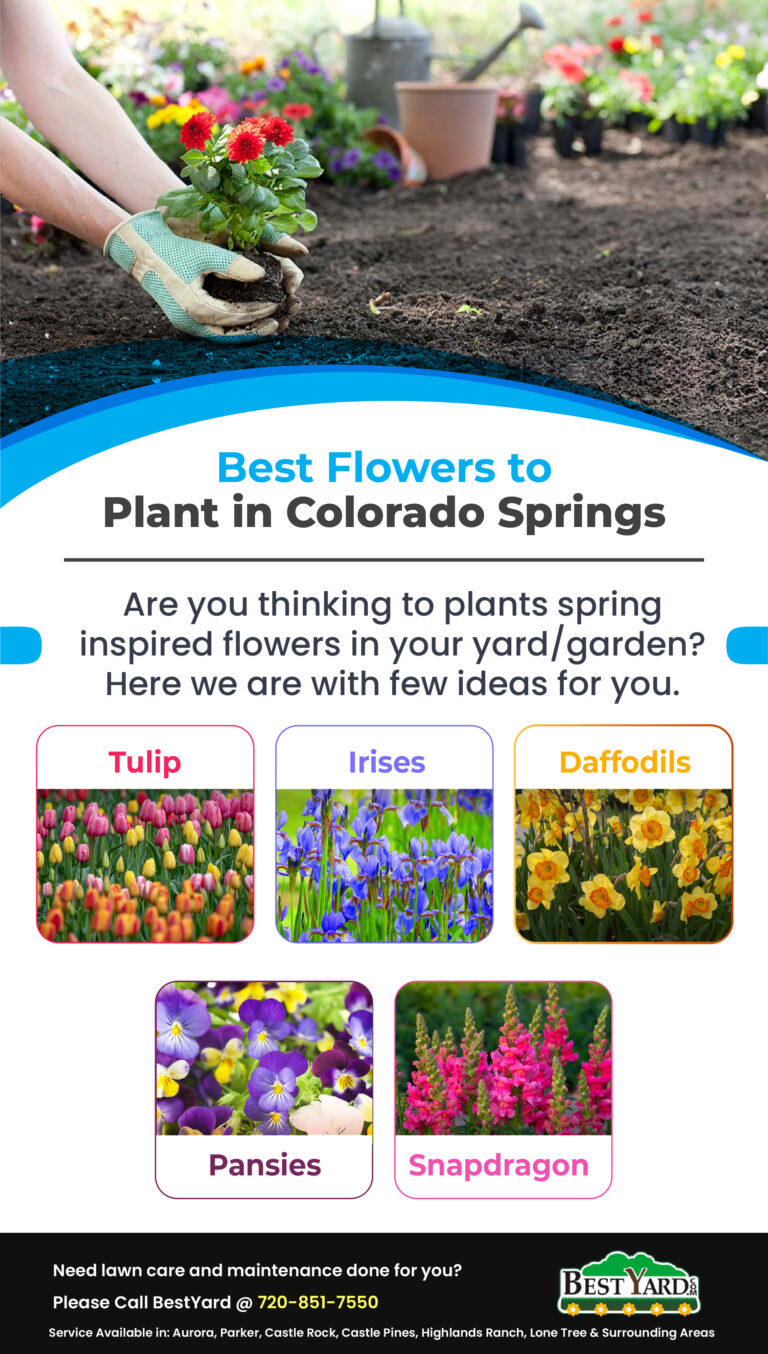
The fall harvest is on!

For at least another week, it appears there will be no frost warning along the Front Range, so vegetables can be left to continue ripening if they are not yet ready to pick.

If you are ready to harvest and store this year’s crop, however, here are some tips to prolong the shelf life of produce you grow or bring home from a farmer’s market.

fall harvest

To harvest most plants from your garden, it’s best to avoid pulling or tugging on plants as that will damage them. Instead, use a sharp knife or pruners to cut stems to remove the produce. Make a clean cut and hold on to the fruit, not the stem.

When buying pumpkins, select the ones with a stem still attached if you want them to last through the fall. After harvesting squashes and pumpkins, carrying them by the stem will likely cause it to break off. Without the stems, they will deteriorate sooner.

In general, the cooler days of fall are ideal for harvesting and cloudy days better than sunny ones. Morning is the best time to pick produce because that is when veggies have the highest water content.

Prepping veggies for storage

  • Getting most veggies wet leads to quicker spoilage. For root crops harvested in the fall such as carrots, turnips, radishes, beets, and additionally, for green beans, getting them wet will shorten their shelf-life.

  • After digging root crops, wipe dirt off with a dry paper towel or cloth and remove the green tops. Root crops will last up to 3 months if kept unwashed in a ventilated plastic bag in the coolest part of the fridge. Carrots picked now will last until Thanksgiving!

  • If you have a cool basement, it can provide excellent storage for root crops plus potatoes, cabbage and tomatoes. Caution: keep carrots away from apples, potatoes and any other veggies that produce ethylene gas as it will make them bitter.

Harvested lettuce and other non-root crops such as peas, corn, broccoli, cauliflower and summer squash, need to breathe and have air circulation to keep them from wilting. Avoid wrapping them tightly in a plastic bag. Instead, use ventilated plastic bags and keep produce in the refrigerator. The coolness shows down metabolism and prolongs freshness.

For lettuce and herbs, insert a moist towel in storage bags. It will add moisture to help prolong freshness without making the greens soggy.

Following these tips can help you enjoy this fall’s harvest well into the months ahead!

Click “DO IT FOR ME” to request a FREE quote.

do it for me button

FREE INSTANT DOWNLOAD

6 Secrets to a Lush, Green Lawn!

x Now Hiring